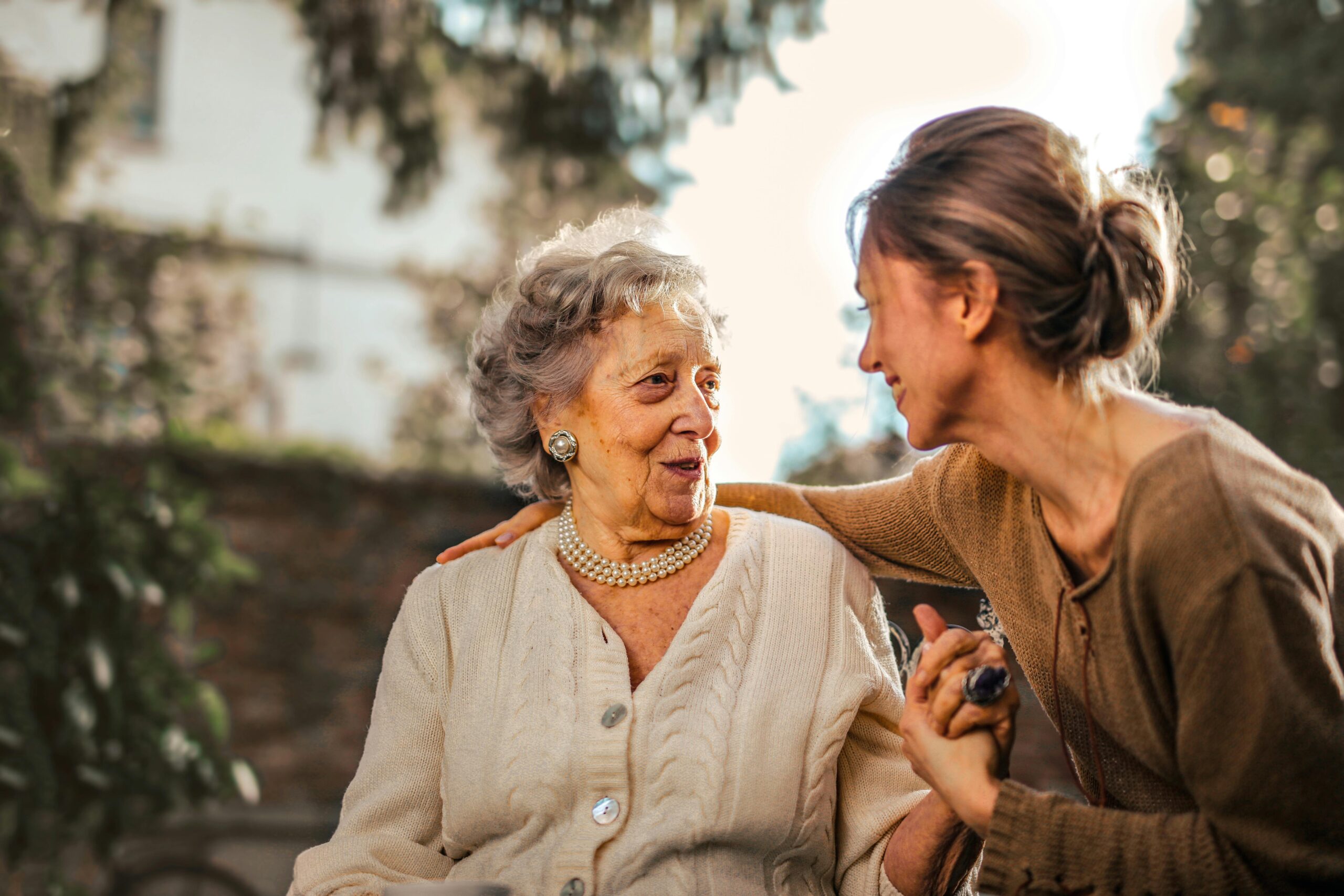
Reading the NY Times today I came across an article that I thought I’d share with you. It was called “5 Conversations to Have With Your Aging Parents,” by Simar Bajaj.
He wrote of our aging population and how many adult children do not know what is going on with their parents health until a fall or hospital stay occurs. Aging can be difficult and nothing parents want to “burden” their children with but that actually makes things tougher. So many families live far from each other and when the children get that call that mom fell or dad had a stroke they often times have no idea what to do. Siblings may have vastly different ideas of what they think mom and dad would want or what their wishes are. Guessing is stressful.
One of the experts interviewed for the article said, “It feels like you’re putting them through something hard, but it’s avoiding something that is far, far worse” talking about having THE conversation.
In our family, we had two very different situations. My father passed about five months after entering hospice. He died at home with all of us with him. During that time we had discussions about dad’s end of life, his wishes, planned the memorial service and covered everything important to him. Mom simply said “I’m not living with any of you kids. I need my own place.” Needless to say, that was the end of her discussion. My husband’s father died six months after my dad. He also died at home after entering hospice.
My mother-in-law and sister-in-law (who has end stage MS) both lived at home with him across the street from us. For a while they opted to have home care to assist my mother-in-law and Home Health to assist my sister-in-law. It soon became apparent that wasn’t going to work. My mother-in-law, who is in her 90’s wanted the same person coming to the house every day and that was not possible.
While many home care agencies will have a caregiver that’s mainly assigned to your loved one, life happens, and sometimes another person will have to cover for them. On top of that, their needs became greater and greater. Staying at home just didn’t work for them and ultimately, after several contentious conversations they moved to assisted living. I really wish we had hashed all of that out earlier. It would have saved a lot of time and frustration.
Bottom line, HAVE the conversations. It doesn’t have to be morbid – just a conversation. My husband is an attorney. He compiled all of the documents you would need in an emergency like a living will, Medical Power of Attorney, directives, etc., for each family member and as a family we all signed them together after Sunday dinner.
It wasn’t a sad thing but a necessary thing and everyone knows where copies are and who is in charge of what. Make sure that you get advice as to any legal formalities required for any of these documents, as each document may require different things (witnesses, notaries, initials, etc.). If you have any questions about any of the above, or need referral to an Elder Lawyer, please reach out to our experts at SLS of California and let them help. It is a free service and can alleviate a lot of anxiety.
"*" indicates required fields
"*" indicates required fields