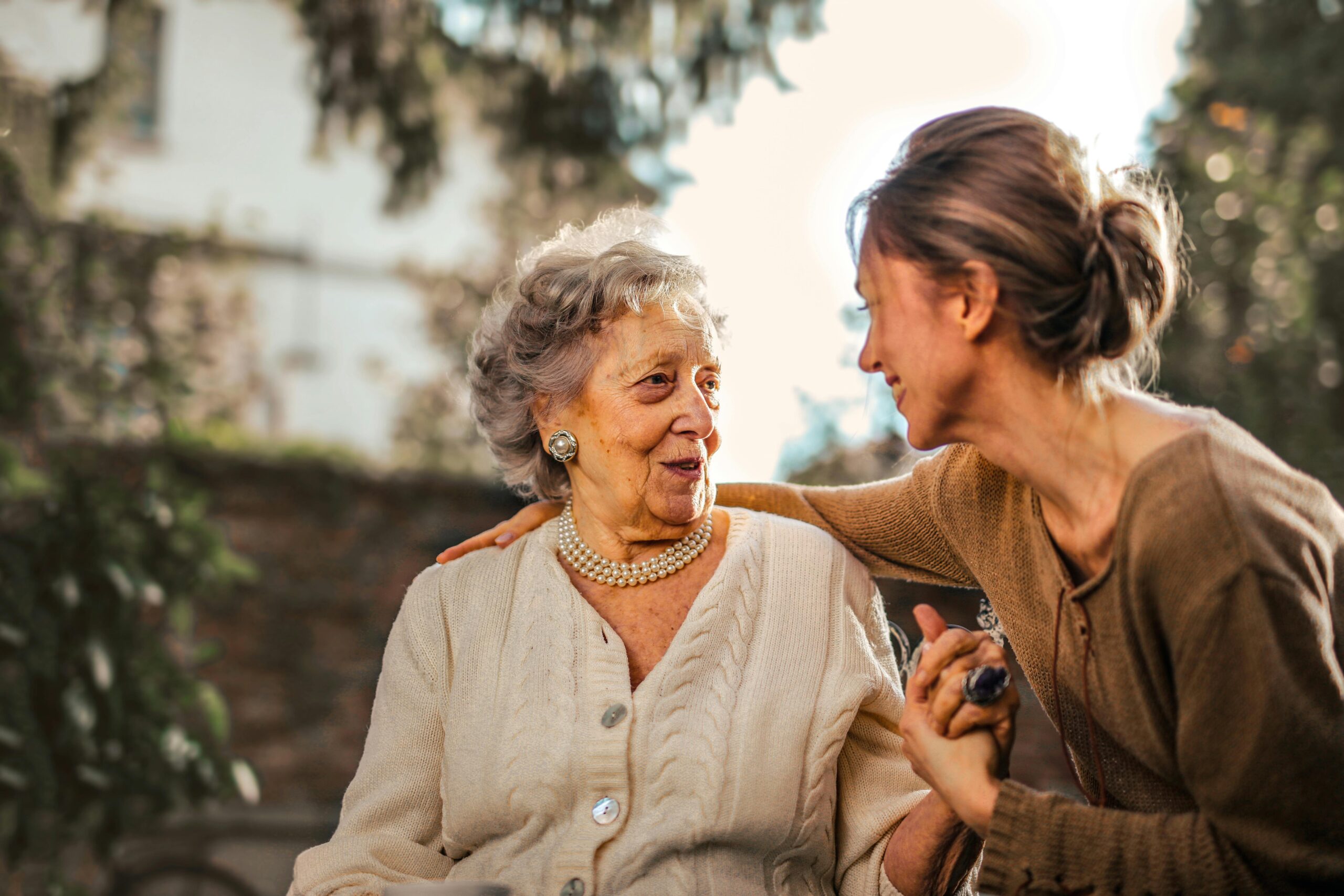
You probably know someone like this. An older neighbor who still seems sharp and capable. A relative who insists they are doing just fine on their own. A parent who values privacy and independence and does not want to worry anyone.
They live alone. And in Southern California, that is becoming increasingly common.
Across the United States, nearly 30 percent of adults age 65 and older live alone (SOURCE).
In places like Los Angeles and Orange County, the number feels even more visible. Adult children move for work. Housing costs push families farther apart. Long distances make regular check-ins harder.
Living alone does not automatically mean someone is struggling. Many solo seniors are capable, proud, and intentional about their independence. The concern is not independence itself. The concern is what happens when something changes.
From the street, everything can look normal. The house is tidy. The mail gets picked up. Conversations sound upbeat.
Inside, life can be quieter than families expect.
Meals may be skipped. Social plans may fade. Minor health issues may go unnoticed. According to research from the University of California San Francisco, many older adults living alone cannot identify a reliable person who could help them during an emergency (SOURCE).
That does not mean no one cares. It often means no one is close enough to notice changes quickly.
In Southern California, distance matters. Neighborhoods are spread out. Public transportation is limited in many areas. Driving challenges can quietly reduce social contact.
A senior may still manage daily tasks but feel increasingly disconnected. Phone calls replace visits. Weeks pass faster than expected. Loneliness does not always show up as sadness. Sometimes it shows up as withdrawal.
Supporting a solo senior does not mean taking away independence. It means strengthening connection.
That might look like:
These steps build a safety net without taking control away.
Independence does not have to mean doing everything alone. For many older adults, true independence includes knowing that help is available when needed and that someone will notice if something feels off.
As Southern California continues to change, so does the way families support aging loved ones. Recognizing the rise of the solo senior is not about fear. It is about awareness.
Living alone can work well for a time. If you think it is time for your aging loved one that is living alone to find a new senior living location, utilize our free service today!
"*" indicates required fields


"*" indicates required fields